The energy sector is undergoing a radical transformation, driven by the convergence of decentralized power generation and cutting-edge digital technologies. At the heart of this revolution lies the concept of virtual power plants (VPPs), which are now being supercharged by blockchain-based settlement systems. This fusion promises to redefine how electricity is traded, managed, and monetized in an increasingly complex grid environment.
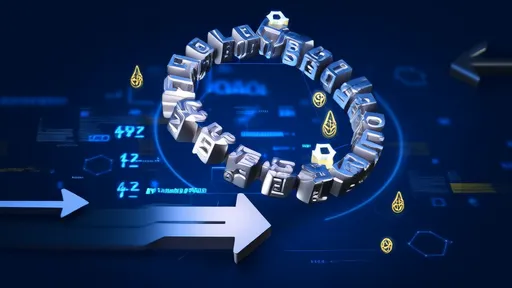
Virtual power plants have emerged as a critical solution to the challenges posed by renewable energy integration. By aggregating distributed energy resources (DERs) like rooftop solar panels, home batteries, and electric vehicle chargers, VPPs create flexible networks that can respond to grid demands in real-time. However, the traditional settlement mechanisms for these transactions have struggled to keep pace with the speed and complexity of decentralized energy trading. This is where blockchain technology enters the picture, offering an immutable, transparent ledger for recording and settling energy transactions between countless participants.
The marriage of VPPs and blockchain creates what industry experts are calling "self-settling microgrids." These systems enable peer-to-peer energy trading without the need for centralized intermediaries, dramatically reducing transaction costs and settlement times. Imagine a neighborhood where solar-powered homes automatically sell excess electricity to nearby electric vehicle charging stations, with every kilowatt-hour tracked and settled on a distributed ledger. The implications for grid efficiency and consumer empowerment are profound.
Several pilot projects across the globe are demonstrating the viability of blockchain-based VPP settlements. In Australia, a consortium of energy companies has successfully tested a system where residential battery owners participate in frequency regulation markets, with blockchain ensuring accurate measurement and instant compensation. European utilities are experimenting with cross-border VPPs that use smart contracts to automatically settle imbalances between national grids. These real-world implementations are proving that the technology can handle the scale and complexity required for mainstream adoption.
Regulatory frameworks are scrambling to keep up with these technological advancements. Energy markets were designed for centralized power plants and predictable demand curves, not for millions of prosumers trading electrons in real-time. Progressive jurisdictions are now creating sandboxes for blockchain-based energy settlements, recognizing that current market rules often unintentionally prohibit innovation. The most forward-thinking regulators understand that properly implemented blockchain systems can actually enhance market transparency and compliance, as every transaction leaves an auditable trail on the distributed ledger.
The cybersecurity implications of blockchain-based VPP settlements present both challenges and opportunities. While distributed ledger technology is inherently more resilient to single points of failure, the energy sector's critical infrastructure status makes it a prime target for sophisticated attacks. Energy blockchain developers are responding with novel cryptographic techniques and hardware security modules specifically designed for grid applications. The solution lies in striking the right balance between decentralization for resilience and carefully controlled access points for system operators.
Looking ahead, the integration of artificial intelligence with blockchain-based VPP settlements could unlock even greater potential. Machine learning algorithms could predict energy production and consumption patterns, while smart contracts automatically execute optimal trades based on these forecasts. This combination could create self-optimizing local energy markets that continuously adapt to changing conditions, from weather patterns to electricity prices. The result would be grids that are simultaneously more efficient, more reliable, and more accessible to diverse participants.
The economic implications of this technological convergence are staggering. By enabling granular, real-time energy trading, blockchain-based VPP settlements could unlock billions in currently trapped value across the energy system. Residential and commercial energy assets that were previously passive consumers become active market participants. New business models emerge around energy aggregation, forecasting, and settlement services. The entire concept of utility-customer relationships undergoes a fundamental transformation as the grid becomes a platform for peer-to-peer energy commerce.
As with any disruptive innovation, widespread adoption faces significant hurdles. Technical challenges around blockchain scalability and energy consumption must be addressed, particularly as VPPs grow to include millions of devices. Consumer education remains a critical barrier, as most energy users don't yet understand how to participate in these new markets. Perhaps most importantly, the industry must develop interoperability standards to ensure different blockchain-based VPP systems can communicate seamlessly. The organizations that solve these challenges will likely shape the future of energy markets.
The evolution of virtual power plants through blockchain settlement represents more than just a technological upgrade—it signals a philosophical shift in how societies organize and value energy. When every solar panel and battery can become an active market participant, energy democracy moves from activist slogan to technical reality. The coming years will determine whether this vision can scale beyond pilot projects to transform entire energy systems. One thing is certain: the traditional utility model will never be the same.
By /Aug 7, 2025
By /Aug 7, 2025

By /Aug 7, 2025

By /Aug 7, 2025

By /Aug 7, 2025
By /Aug 7, 2025

By /Aug 7, 2025

By /Aug 7, 2025
By /Aug 7, 2025

By /Aug 7, 2025
By /Aug 7, 2025
By /Aug 7, 2025

By /Aug 7, 2025
By /Aug 7, 2025

By /Aug 7, 2025

By /Aug 7, 2025

By /Aug 7, 2025

By /Aug 7, 2025
By /Aug 7, 2025

By /Aug 7, 2025
