The concept of multi-device context-aware energy efficiency is rapidly gaining traction in the tech industry as a viable solution to reduce power consumption without compromising user experience. With the proliferation of smart devices in households and workplaces, the need for intelligent energy management has never been more pressing. Unlike traditional energy-saving methods that focus on individual devices, this approach considers the broader ecosystem of interconnected gadgets, optimizing power usage based on real-time contextual data.
Understanding Context-Aware Energy Efficiency
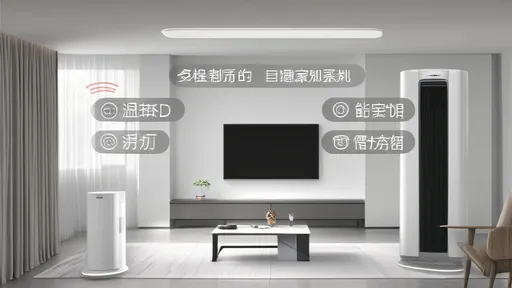
At its core, context-aware energy efficiency leverages sensors, machine learning, and IoT connectivity to dynamically adjust device behavior. For instance, a smart thermostat can communicate with motion sensors and wearable devices to determine whether a room is occupied, adjusting temperature settings accordingly. Similarly, a laptop might dim its screen or switch to power-saving mode when it detects that the user has stepped away, all while coordinating with other devices to ensure seamless transitions.
What sets this approach apart is its ability to analyze multiple data streams simultaneously. Ambient light sensors, proximity detectors, and even calendar events contribute to a holistic understanding of the user's environment. This granular level of awareness allows devices to make informed decisions, reducing wasteful energy consumption without requiring manual input from the user.
The Role of Machine Learning in Optimization
Machine learning algorithms play a pivotal role in refining these systems over time. By analyzing patterns in user behavior and device interactions, the system can predict when certain appliances are likely to be used and preemptively adjust their power states. For example, a coffee machine might learn that it’s typically activated at 7:30 AM on weekdays and begin heating up just before that time, ensuring readiness while minimizing standby power.
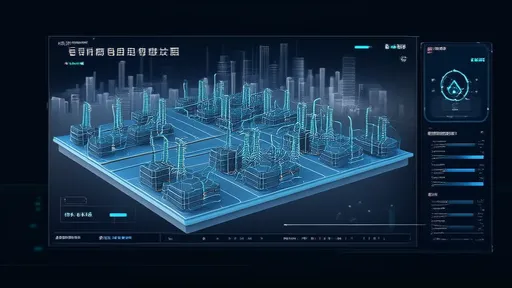
These predictive capabilities extend beyond individual routines. In shared spaces like offices, the system can aggregate data from multiple users to optimize lighting, HVAC, and workstation power distribution. Over time, the algorithm identifies inefficiencies—such as conference rooms remaining lit during unused hours—and automatically implements corrective measures.
Challenges in Implementation
Despite its promise, widespread adoption of context-aware energy efficiency faces several hurdles. Device interoperability remains a significant barrier, as manufacturers often use proprietary protocols that hinder seamless communication between different brands. Standardization efforts like Matter aim to address this, but universal compatibility is still a work in progress.
Privacy concerns also arise when dealing with sensitive contextual data. Users may hesitate to grant devices access to location data or personal schedules, even if it leads to energy savings. Striking a balance between functionality and data security will be crucial for consumer acceptance. Transparent data handling policies and robust encryption methods must become standard practice.
Real-World Applications and Impact
Several pioneering implementations demonstrate the potential of this technology. Smart campuses have reduced energy costs by up to 30% through integrated systems that adjust lighting and climate control based on occupancy patterns. In residential settings, comprehensive energy management platforms can coordinate appliances, entertainment systems, and security devices to eliminate phantom loads—the hidden energy drain from devices in standby mode.
The environmental implications are equally compelling. If adopted at scale, context-aware systems could significantly reduce the carbon footprint of consumer electronics. Research suggests that optimized multi-device coordination might decrease household energy consumption by 15-20%, translating to substantial reductions in greenhouse gas emissions from power plants.
Future Directions and Innovations
Emerging technologies promise to enhance these systems further. The integration of edge computing allows for faster local processing of sensor data, reducing latency in decision-making. Meanwhile, advancements in low-power wireless protocols like Zigbee and Thread enable more efficient device-to-device communication without taxing battery life.
Perhaps most intriguing is the potential convergence with renewable energy systems. Future smart homes might combine context-aware device management with solar production forecasts, scheduling energy-intensive tasks during peak generation periods. This synergy could maximize the use of clean energy while minimizing reliance on the grid.
As the Internet of Things continues to evolve, context-aware energy efficiency stands out as a practical application of interconnected technology that delivers tangible benefits. By moving beyond isolated power-saving features to create intelligent, adaptive ecosystems, we're witnessing the dawn of truly smart energy management that works quietly in the background to conserve resources while maintaining our modern digital lifestyles.

By /Aug 7, 2025
By /Aug 7, 2025

By /Aug 7, 2025

By /Aug 7, 2025

By /Aug 7, 2025

By /Aug 7, 2025

By /Aug 7, 2025

By /Aug 7, 2025

By /Aug 7, 2025

By /Aug 7, 2025
By /Aug 7, 2025

By /Aug 7, 2025

By /Aug 7, 2025

By /Aug 7, 2025

By /Aug 7, 2025

By /Aug 7, 2025

By /Aug 7, 2025

By /Aug 7, 2025
By /Aug 7, 2025

By /Aug 7, 2025
